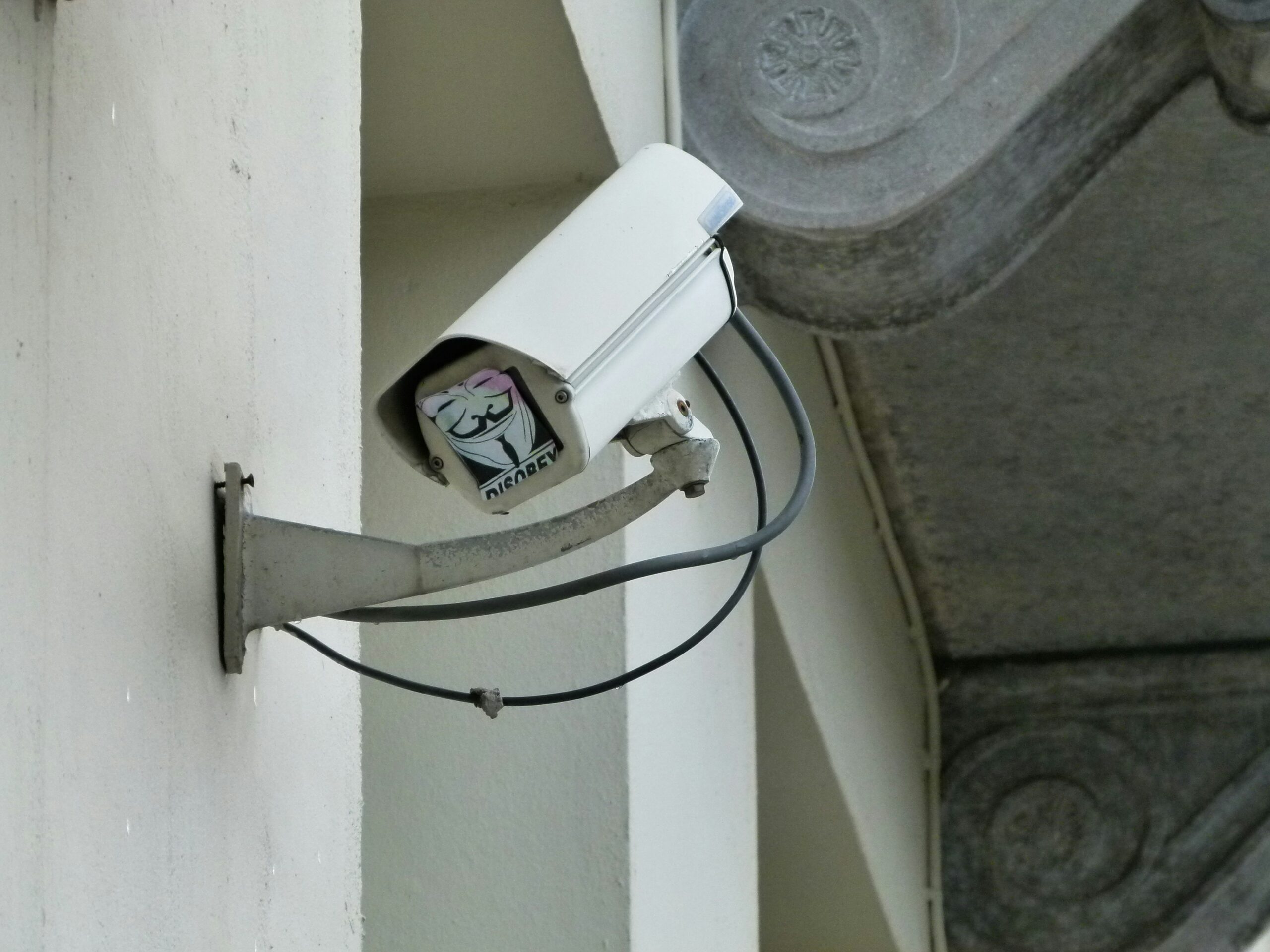
For decades, the relationship between homeowners and their insurance providers was a simple, often frustrating, transaction: pay the premium, file a claim in disaster, and hope your rates don’t skyrocket afterward. But a quiet revolution, powered by the Internet of Things and sophisticated data analytics, has fundamentally reshaped this dynamic. Today, in 2026, your home is no longer just a passive asset to be insured; it’s an active partner in risk mitigation. Leading insurance carriers are now offering substantial, quantifiable discounts—sometimes exceeding 20%—for homeowners who proactively deploy specific smart home ecosystems. This isn’t about gimmicky gadgets; it’s about strategic capital allocation into integrated systems that demonstrably prevent loss. The question for the modern homeowner is no longer if they should upgrade, but which upgrades deliver the strongest return on investment through both enhanced safety and long-term premium reduction.

From Reactive Payouts to Proactive Partnerships: The Insurance Model in 2026
The foundational shift lies in the insurance industry’s access to real-time data. “We’ve moved from assessing risk based on historical proxies—like your ZIP code or the age of your roof—to understanding real-time behavior and prevention,” explains a risk modeling executive from a leading insurer, speaking on background. “A home with a professionally monitored, water-leak detection system that can automatically shut off the main supply is, empirically, far less likely to file a catastrophic $50,000 water damage claim. It’s in our direct financial interest to incentivize that prevention.” This model, often called “behavioral insurance” or “prevention-based pricing,” turns premium discounts into a shared reward for lowered risk. The discounts are no longer mere marketing promotions but are actuarially justified, making them more stable and significant.
How to Qualify: Documentation and Certification
Not all DIY smart plugs will move the needle. To secure discounts, systems typically must be professionally installed and monitored, with verification provided to your insurer. This often means working with approved home security system installers or smart home integration specialists whose equipment and monitoring centers meet insurer standards. You’ll need to provide a certificate of installation and monitoring contract. Crucially, maintaining the discount requires keeping the service active; lapse the monitoring, and your premium will revert.
The Tier-One Upgrades: Maximum Impact on Premiums
These are the systems that consistently deliver the highest premium reductions across most major insurers, as they address the most costly and common home insurance claims: theft, fire, and water damage.
1. The Professional-Grade, Monitored Security Ecosystem
While basic alarm systems have offered discounts for years, the 2026 standard is far more comprehensive. Insurers are looking for layered deterrence and verification:
- Smart Locks with Access Logs: Keyless entry locks that provide a digital log of every entry and exit. This not only deters break-ins but provides irrefutable data in case of a claim, proving forced entry versus potential fraud.
- Exterior Security Cameras with AI Analytics: Modern systems don’t just record; they analyze. Cameras that can distinguish between a person, a vehicle, and an animal, and send specific, verified alerts to a monitoring center, drastically reduce false alarms and improve response times. Look for integration with local security patrol services for enhanced response protocols.
- Glass-Break and Motion Sensors: Paired with camera verification, these interior sensors create a robust internal detection net.
- Point-of-Leak Sensors: Placed under sinks, behind toilets, near water heaters and washing machines.
- Flow-Monitoring Main Shutoff Valves: The crown jewel. These devices, like those from Flume or Moen, learn your home’s normal water usage patterns. If they detect a continuous flow inconsistent with normal activity (a burst pipe) or a minor leak over an extended period, they can automatically shut off the main water supply to the house, limiting damage to a trickle rather than a flood.
- Interconnected, Smart Smoke/CO Detectors: Devices like Nest Protect not only sound an alarm but send immediate alerts to your phone and, if professionally monitored, to emergency services. They also perform self-checks and silence nuisance alarms with voice alerts.
- Smart Shutoff for Stoves and Ovens: For gas ranges, devices like Megan’s Law-compliant automatic shutoff sensors can turn off the stove if left unattended for too long or if excessive heat is detected—a major fire-starter.
- Smart Roof Sensors: These can detect the impact of hail or the weight of snow, prompting early intervention.
- Integrated Smart Home Weather Stations: Hyper-local data can trigger automations—closing motorized storm shutters or smart skylights when high winds are detected, protecting against windborne debris damage.
- Smart Sump Pumps with Battery Backup: Monitored pumps that alert you to failures or rising water levels in your basement before a flood occurs.
- Consult Before You Buy: Before investing in any system, contact your insurance agent or a independent insurance broker. Ask for their specific list of approved devices, required monitoring services, and the exact discount schedule for each. Get the details in writing.
- Prioritize Based on Risk and ROI: Start with the tier-one systems that address your biggest risks (e.g., water shutoff in a cold climate, security in an urban area). Calculate the payback period: a $1,000 system saving $300 annually on insurance pays for itself in just over three years.
- Choose Professional Installation and Monitoring: For premium discounts, the DIY route often doesn’t qualify. Use licensed low-voltage contractors or approved security vendors. Ensure they provide the proper documentation for your insurer.
- Formally Notify and Provide Proof: Once installed, send your insurer the certificate of installation, monitoring contract, and any other required paperwork. Follow up to ensure your policy has been updated and your next bill reflects the discount.
- Annual Review: Technology and insurance offerings evolve. Each year when you review your policy, ask if new qualifying technologies have been added or if discounts have changed.
Premium Impact: A fully integrated, professionally monitored system can yield 15-20% off your homeowners insurance premium, and may make you eligible for specialized high-value home insurance policies with broader coverage.
2. Whole-Home Water Leak Detection and Automatic Shutoff
Water damage is one of the most frequent and severe causes of loss. Smart technology here is a game-changer.
Premium Impact: Insurers are exceptionally keen on these systems. Expect discounts of 5-10%, and more importantly, the potential avoidance of a claim that could increase your premiums for years.
3. Advanced Fire and Carbon Monoxide Prevention
Smoke detectors are mandatory, but smart ones are intelligent.
Premium Impact: While slightly less than for theft or water (typically 2-5%), the life-saving potential is incalculable, and it demonstrates comprehensive risk management to your insurer.
The Strategic Secondary Upgrades: Building a Cohesive, Discount-Rich Home
These upgrades enhance your home’s resilience and can contribute to cumulative discounts or help you avoid premium increases after a claim.
4. Weather-Hardening and Environmental Monitoring
With the increasing frequency of severe weather events, insurers are incentivizing preparedness.
5. The Integration Layer: A Unified Smart Home Hub
Insurers are beginning to recognize the value of an interconnected home. A system where a smoke detector can trigger smart lights to illuminate an escape path, unlock doors for firefighters, and shut off the HVAC to prevent smoke spread represents the pinnacle of loss prevention. Working with a certified smart home automation company to create these scenes can be a differentiating factor, especially for luxury property insurance underwriters.
Navigating the Process: A Step-by-Step Action Plan
The Future Outlook: Telematics and the “Fitbit for Your Home”
Looking ahead to the end of the decade, the frontier is home insurance telematics. Similar to usage-based auto insurance, pilot programs are testing devices that aggregate data from all your smart systems into a “home health score.” Factors like how often you arm your security system, the performance of your water pressure, and even the health of your electrical wiring (via smart panels like Span or Leviton) could dynamically influence your premium. A well-maintained, actively protected home would continuously earn its lower rate. This shifts the paradigm from static discounts to a continuous, data-driven relationship.
Conclusion: An Investment in Sovereignty, Not Just Savings
The most profound benefit of these smart home upgrades is not merely the line-item reduction on your insurance bill. It is the reclamation of agency over your personal risk landscape. You are transforming your home from a vulnerable structure into a responsive, defensive asset. The financial incentive from insurers is a powerful catalyst, but the true return on investment is measured in peace of mind: the knowledge that your home is actively guarding against disaster, protecting both your financial equity and your loved ones. In 2026, a smart home isn’t a luxury for early adopters; it’s a cornerstone of responsible, modern homeownership and intelligent financial planning.
Photo Credits
Photo by Luiza Giannelli on Unsplash
- The Algorithmic Underwriter: How AI is Reshaping Risk, Pricing, and the Very Soul of Insurance in 2026 – 26/02/2026
- The 2026 Homeowner’s Guide: Smart Security Investments That Slash Insurance Premiums – 26/02/2026
- The 2026 FinTech Landscape: How Embedded Finance and AI Are Redefining Capital Allocation – 26/02/2026
Leave a Reply