In the ever-evolving landscape of real estate, homeowners are increasingly approaching their properties not just as homes, but as strategic assets. With market dynamics in 2026 favoring well-maintained, energy-efficient, and technologically integrated homes, the calculus for home improvement has shifted. It’s no longer about mere aesthetic indulgence; it’s a question of intelligent capital allocation. Which renovations truly move the needle on appraisals and buyer appeal, and which are sunk costs in disguise? The answer lies in a disciplined analysis of Return on Investment (ROI), blending timeless principles with the emerging demands of the modern buyer. This guide dissects the home improvement projects delivering the most robust financial returns as we navigate the mid-2020s.

The 2026 ROI Landscape: What’s Driving Value?
Before breaking ground, understanding the current value drivers is crucial. Post-pandemic trends have solidified: buyers prioritize functionality, efficiency, and resilience. The premium on home office integration remains, though it has evolved into a demand for flexible, multi-use spaces. Energy costs and environmental consciousness have made whole-home efficiency upgrades a major selling point, not a niche concern. Furthermore, with a significant portion of the housing stock aging, projects that address deferred maintenance and modernize core systems are seeing outsized returns. The key is to invest in improvements that align with these macro trends, ensuring your capital outlay resonates with future appraisers and the most likely pool of prospective buyers.
The Top-Tier Performers: High-ROI Projects for 2026
Based on aggregated data from the 2025 Cost vs. Value Report and leading real estate analytics firms, the following projects consistently rank at the apex of ROI. These are the upgrades where strategic spending meets maximum market reward.
1. The Uncontested Leader: Manufactured Stone Veneer
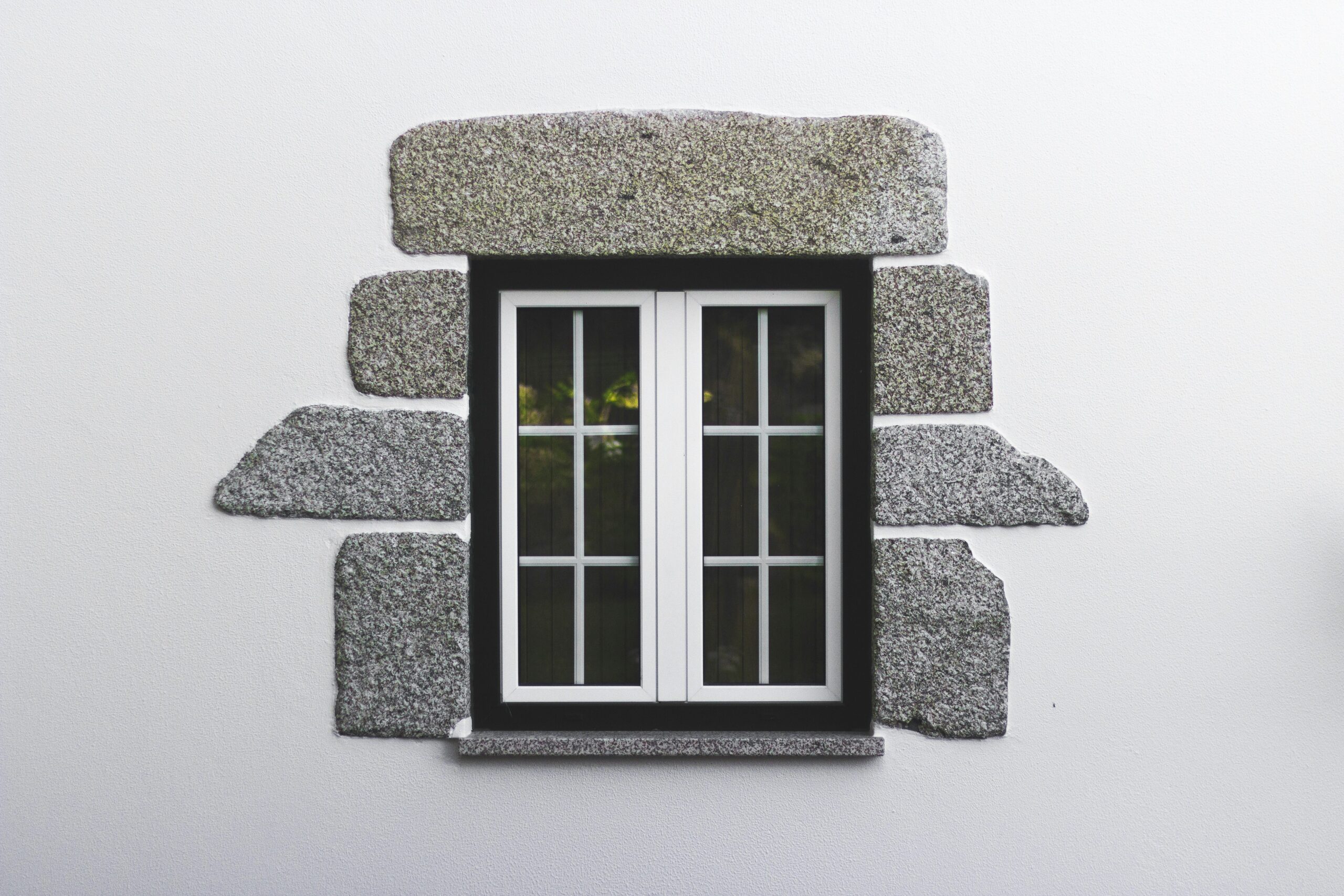
For several years running, replacing dated vinyl siding with a manufactured stone veneer accent (typically on the home’s lower facade) has delivered staggering returns, often recouping over 95% of its cost at resale. In 2026, this holds truer than ever. The project offers immense curb appeal for a relatively moderate investment compared to full natural stone. It signals quality, durability, and contemporary style instantly. For homeowners considering exterior renovation contractors, this targeted upgrade frequently outperforms a full re-siding project in terms of pure ROI.
2. The Kitchen Refresh (Not a Full Gut Renovation)
The kitchen remains the heart of the home, but the era of the $150,000 full-gut renovation for ROI is over. The winning strategy in 2026 is the strategic refresh. This involves replacing only the most impactful elements: cabinet refacing or painting with soft-close hardware, installing new quartz or solid-surface countertops, and updating fixtures and appliances to energy-efficient models. Partnering with a kitchen remodeling specialist for a focused scope avoids budget overruns. This approach can modernize the space’s feel while routinely recouping 80-85% of the investment, by focusing on what high-value buyers notice first.
3. Garage Door Replacement
Often overlooked, the garage door is a massive visual plane on your home’s facade. Swapping an old, dented, or insulated door for a modern, tech-enabled model (think with battery backup and smart home integration) offers one of the highest ROIs, frequently above 90%. It’s a single project that dramatically improves curb appeal, security, and insulation. Consulting with premium garage door installation services about the latest in durable composite materials and integrated smart openers can elevate this from a utility upgrade to a true value-add.
4. The Fiber-Cement Siding Replacement
If your home’s siding is failing or severely dated, a full replacement with fiber-cement (like James Hardie) is a capital-intensive but supremely valuable project. It addresses critical maintenance, provides exceptional durability and fire resistance, and fundamentally transforms the home’s exterior. While the upfront cost is significant, the ROI remains strong (often mid-70% to 80% range) because it solves a major problem for the next owner. It’s a long-play investment that signals a meticulously maintained property.
5. The “Spa-Like” Primary Bathroom Update
Similar to the kitchen, a full bathroom expansion is rarely the best ROI play. Instead, focus on converting the primary bath into a clean, serene, and efficient retreat. Key moves include replacing a worn vanity with a double-sink model, upgrading to a frameless glass shower enclosure, installing water-efficient toilets and fixtures, and ensuring superb lighting. Heated flooring, once a luxury, is now a sought-after standard in many markets. This project, when managed by a bespoke bathroom renovation firm, can yield returns around 70-75%, while significantly enhancing daily living.
The Rising Stars: Gaining Traction in 2026
Beyond the classic leaders, new categories are emerging as ROI powerhouses, driven by technology and shifting lifestyles.
Energy Resilience and Electrification
With grid instability and energy cost volatility in mind, projects that offer independence are golden. A whole-home backup battery system paired with existing or new solar panels is a massive selling point. Similarly, the shift from gas to electric is accelerating. Upgrading electrical panels to support high-capacity loads and installing smart, high-efficiency heat pump systems for heating and cooling are no longer just “green” upgrades; they are seen as modern, cost-saving necessities by a growing segment of buyers, offering both utility savings and future-proofing.
The Outdoor Room
The demand for seamless indoor-outdoor living has matured. It’s not just about a deck; it’s about creating a fully functional exterior room. This means covered structures with weather-resistant finishes, integrated outdoor kitchens with dedicated plumbing and gas lines, and sophisticated lighting and audio systems. The ROI here is as much in the speed of sale as in pure dollar recoupment. These spaces are powerful emotional drivers for buyers. Engaging a landscape architecture and construction company to design a cohesive, high-quality space is critical for maximizing this investment.
The ROI Pitfalls: Projects to Approach with Caution
Not all improvements are created equal. Some have notoriously poor payback, often because they are highly personalized or don’t align with broader market demand.
- Swimming Pool Installation: In most climates, a pool remains a net negative for ROI. The maintenance burden and safety concerns for families often limit the buyer pool. It’s a personal luxury, not an investment.
- Over-the-Top Customizations: A $50,000 dedicated home theater or a wildly niche room conversion (like a tropical aviary) will almost never return the cost. Highly specific tastes do not translate to market value.
- Mid-Range Kitchen Expansions: Blowing out walls to gain a few square feet in a mid-tier home rarely pays off. The cost of structural work is high, and the value added is often disproportionate.
The Strategic Framework: How to Plan Your Project for Maximum ROI
Execution is as important as project selection. Follow this framework to protect your capital.
- Know Your Compass: Research recent sales in your neighborhood. Your goal is not to become the most expensive home on the block, but the best-valued. Improvements should be in line with your local market’s ceiling.
- Prioritize Maintenance First: No amount of granite will compensate for a leaky roof or faulty wiring. Always allocate capital to structural, roofing, and systems integrity before cosmetic upgrades. A professional home inspection service can provide a prioritized list.
- Get Multiple Detailed Bids: For any significant project, secure at least three itemized bids from licensed, insured, and reviewed contractors. The cheapest bid is often the most expensive in the long run.
- Document Everything: Keep a meticulous file of permits, contractor invoices, product warranties, and before/after photos. This portfolio proves the quality and legitimacy of the work to future buyers and appraisers.
The Final Analysis: ROI Beyond the Spreadsheet
While the percentages are vital, the ultimate return on a home improvement project is multifaceted. It includes the quality-of-life dividend—the daily joy from a renovated kitchen or a serene bathroom. It encompasses the durability dividend—the peace of mind from a new roof or efficient HVAC system that wards off future repair costs. And finally, it delivers the marketability dividend—the competitive edge that leads to a faster sale in any market condition.
In 2026, the savvy homeowner acts as a portfolio manager, making calculated improvements that enhance both lived experience and asset value. By focusing on curb appeal, critical system updates, and smart, efficient living spaces, you can ensure that every dollar invested not only makes your home more enjoyable but also strategically positions it for its next chapter. The most successful projects are those that marry personal satisfaction with irrefutable market logic.
Photo Credits
Photo by Catarina Carvalho on Unsplash
- The Algorithmic Underwriter: How AI is Reshaping Risk, Pricing, and the Very Soul of Insurance in 2026 – 26/02/2026
- The 2026 Homeowner’s Guide: Smart Security Investments That Slash Insurance Premiums – 26/02/2026
- The 2026 FinTech Landscape: How Embedded Finance and AI Are Redefining Capital Allocation – 26/02/2026
Leave a Reply