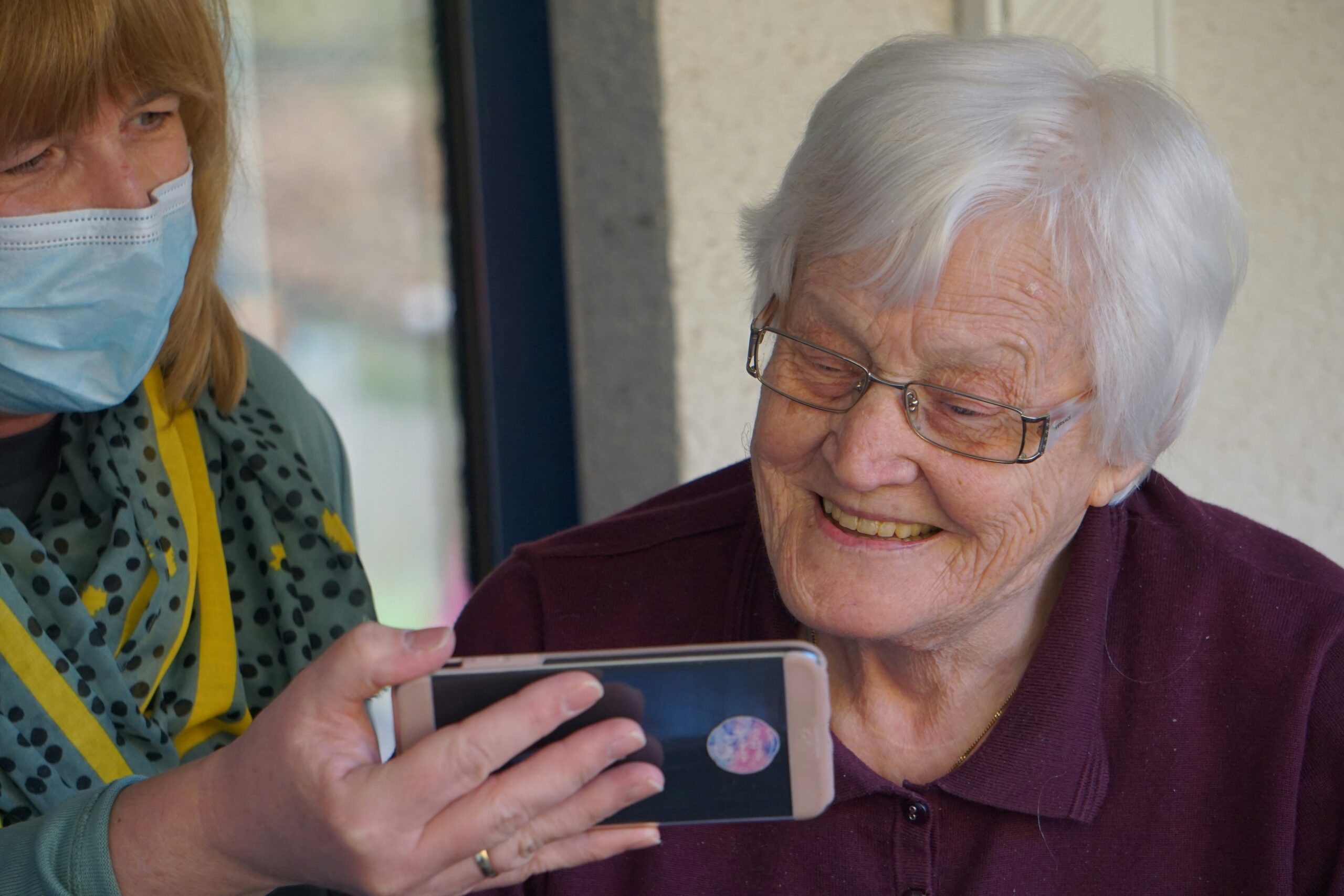
The New Frontier: Medicare’s Digital Transformation
Gone are the days when Medicare was purely a payer of claims. Today, it is an active participant in the digital health arena. The Centers for Medicare & Medicaid Services (CMS) have aggressively expanded coverage for telehealth and remote patient monitoring, changes that began during the pandemic and have since been cemented into permanent policy. In 2026, most Medicare Advantage plans and a growing number of Original Medicare providers offer robust digital health benefits as standard fare.

This isn’t just about convenience; it’s a fundamental shift in care delivery. “We are moving from an episodic model of care—’see you when you’re sick’—to a continuous, data-driven partnership,” explains Dr. Anya Sharma, a geriatrician and health tech advisor. “The tools now available can detect a subtle change in a patient’s gait that predicts a fall, or a shift in heart rhythm that precedes an event, days before a traditional appointment would have been scheduled. For Medicare beneficiaries managing chronic conditions like diabetes or CHF, this is transformative.”
Navigating the Toolkit: Essential Digital Health Categories for Seniors
The array of available tools can be overwhelming. Breaking them down into functional categories helps clarify their purpose and Medicare’s role in facilitating access.
Telehealth and Virtual Visits: The Doctor is (Virtually) In
Telehealth has evolved far beyond simple video calls. In 2026, platforms are integrated with bluetooth-enabled medical devices—blood pressure cuffs, glucose meters, pulse oximeters—that transmit data directly to your physician’s dashboard in real-time. This means your virtual visit for hypertension management is informed by two weeks of home readings, not a single, often elevated, in-office measurement.
Medicare Coverage Insight: Medicare Part B covers telehealth services at the same rate as in-person visits. Many top-tier Medicare Advantage plans now partner with dedicated telehealth providers like Teladoc or Amwell, offering $0 copay for general medical and behavioral health visits. The key is ensuring your chosen plan’s network includes your preferred digital platform.
Remote Patient Monitoring (RPM): Care Without the Commute
RPM is for proactive, continuous care. Patients are provided with FDA-cleared devices to measure and transmit vital signs daily. A nurse or care coordinator monitors this data stream, intervening only when thresholds are breached. For a senior recovering from heart surgery or managing COPD, RPM provides safety and independence.
Medicare Coverage Insight: Under Medicare Part B, RPM is a billable service for patients with chronic conditions. There are specific billing codes for the initial setup, device supply, and monthly data interpretation. While you may still owe 20% of the Medicare-approved amount after your deductible, the out-of-pocket cost is often offset by preventing costly hospital readmissions. Consulting with a Medicare insurance broker specializing in senior tech benefits can clarify the cost structure for your specific situation.
Medication Management Apps and Smart Devices: The End of the Pillbox?
Medication non-adherence remains a multi-billion-dollar problem in healthcare. Modern solutions are sophisticated. Apps like Medisafe or PillPack’s integrated system send customizable reminders, provide easy-to-read schedules, and can alert a designated family member if a dose is missed. Physical devices like Hero smart dispensers automatically sort and dispense pills at programmed times, locking away medications to prevent errors.
Medicare Coverage Insight: While the apps themselves are rarely covered, many Medicare Part D prescription drug plans have begun to partner with these services, offering discounts or bundled subscriptions. Furthermore, some Chronic Special Needs Plans (C-SNPs) within Medicare Advantage may provide smart dispensers as a supplemental benefit for qualified members with complex medication regimens.
Wearables and Health Trackers: From Fitness to Clinical-Grade Data
The latest generation of wearables from Apple, Fitbit (now under Google), and Samsung have crossed into the clinical domain. With FDA-cleared features for atrial fibrillation detection, sleep apnea screening, and fall detection, these devices generate data that both users and their doctors can use. The new “Medicare-Healthy” program, a pilot in several states, even offers subsidies for approved devices to beneficiaries who participate in wellness initiatives.
Practical Navigation: A Step-by-Step Guide for Adopting Digital Tools
Embracing this technology requires a strategic approach. Follow this framework to integrate tools seamlessly into your healthcare routine.
1. Audit Your Existing Medicare Coverage
Start by logging into your MyMedicare.gov account or calling your plan provider. Ask specific questions: What telehealth platforms do you partner with? Do you cover RPM for my conditions? Are there discounts on approved health wearables or medication dispensers? This due diligence is your financial roadmap.
2. Prioritize Interoperability and Ease of Use
Seek tools that sync with your provider’s electronic health record system, like Epic or Cerner. A device that creates “data silos” is less useful. For usability, look for large interfaces, simple navigation, and strong customer support. Consider a session with a local senior tech tutor service—many community centers and libraries offer them for free—to get comfortable with new devices.
3. Champion Your Data Privacy
Before using any app or device, scrutinize its privacy policy. Who owns your health data? How is it anonymized and shared? Reputable companies will be transparent about HIPAA compliance. Be wary of “free” tools that monetize your data. This is an area where consulting with a patient advocacy group focused on digital health rights can be invaluable.
4. Integrate, Don’t Isolate
The greatest power of these tools lies in connection. Use your annual wellness visit to discuss the data you’re collecting. Show your doctor trends from your blood pressure monitor or sleep tracker. This transforms the appointment from a generic check-up to a targeted, data-rich consultation. “The most successful patients I have are those who come in as partners, armed with their own data,” notes Dr. Sharma.
The Road Ahead: Personalized Medicine and AI in Senior Care
For Medicare, the challenge and opportunity will be to structure reimbursement models that reward these preventative, predictive interventions. The likely evolution is toward more value-based care contracts, where providers and insurers are incentivized to keep you healthy, with digital tools as their primary instrument.
Key Takeaways for the Digitally-Enabled Senior
- Medicare is Evolving: Coverage for telehealth, RPM, and related tech is broader and more permanent than ever. Review your plan’s specific digital benefits annually.
- Tools are Clinical: Modern devices go beyond step-counting; they offer clinically actionable data that can transform chronic disease management.
- Privacy is Paramount: Vigilantly protect your health data. Understand privacy policies and opt for HIPAA-compliant platforms whenever possible.
- Partnership is Power: The most effective use of technology is as a bridge to your care team, not a replacement. Bring your data to every appointment.
Photo Credits
Photo by Georg Arthur Pflueger on Unsplash
- The Algorithmic Underwriter: How AI is Reshaping Risk, Pricing, and the Very Soul of Insurance in 2026 – 26/02/2026
- The 2026 Homeowner’s Guide: Smart Security Investments That Slash Insurance Premiums – 26/02/2026
- The 2026 FinTech Landscape: How Embedded Finance and AI Are Redefining Capital Allocation – 26/02/2026
Leave a Reply